Sub-Total: $0.00
Five Ways Clean Water Systems Transform Remote Communities
The transformative power of clean water flows far beyond the well’s edge. In the world’s most isolated communities, every drop brings hope, health, and opportunity. Discover five profound ways these systems create lasting, measurable change for people and the planet.
Capturing Health With Clean Water’s Ripple Effect
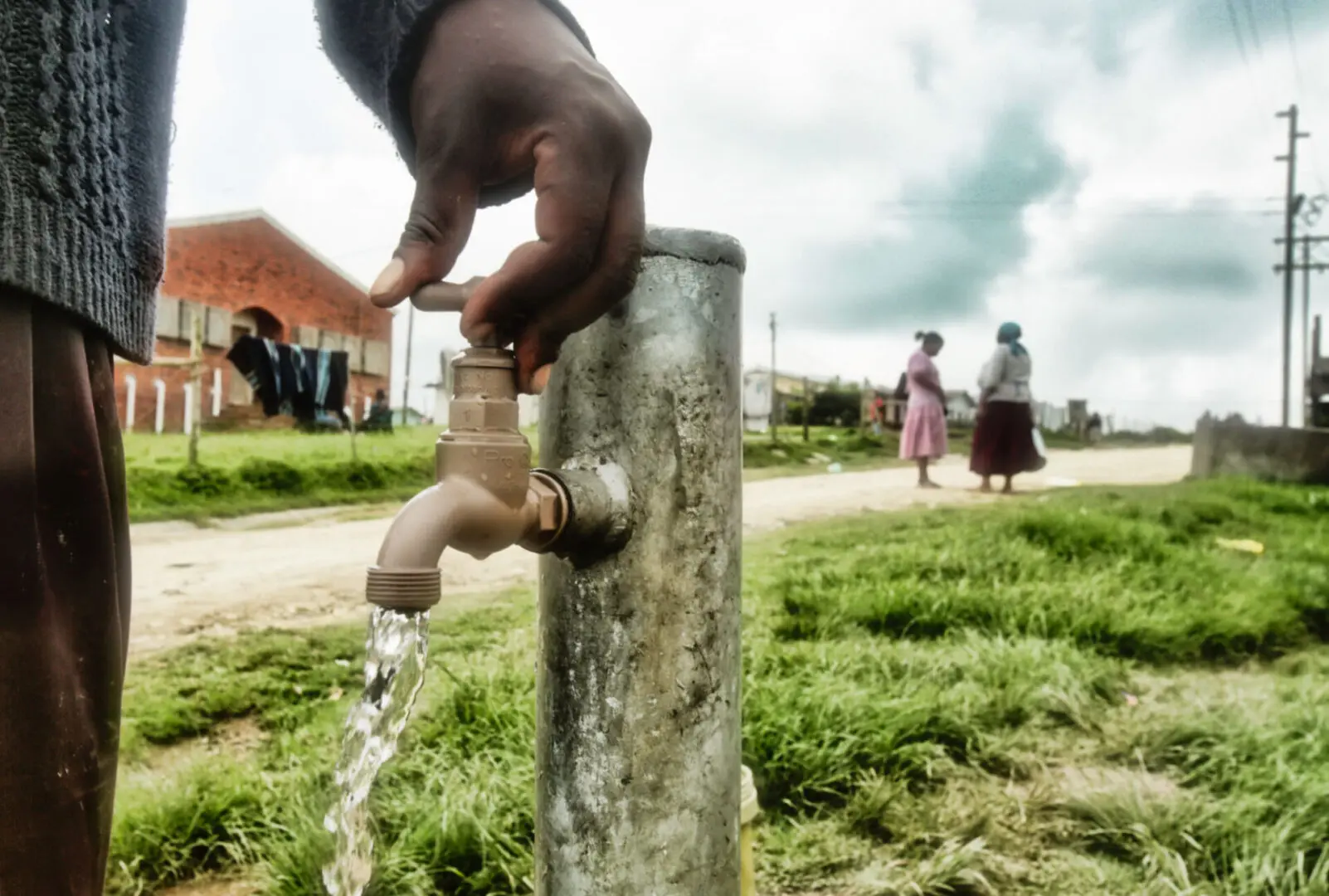
Safe drinking water is a fundamental shield against disease, yet 1 in 4 people globally still lack it, according to WHO-UNICEF data. In rural regions, contaminated sources fuel outbreaks of cholera, dysentery, and other illnesses, with children bearing the brunt. When clean water systems are installed, the transformation is immediate and visible, often captured in before-and-after photographs that tell a powerful story.
Communities see up to a 52 percent reduction in childhood diarrhea within six months of system installation. Clinics experience shorter waiting lines as preventable illnesses diminish, and village health budgets shift from spending on medication to investing in long-term wellness. Remote clinics, which often struggle to stock essential medical supplies, benefit as clean water serves as a preventative measure, reducing the need for treatment and saving lives.
The impact extends beyond health statistics. Photography prints can directly fund water filtration tablets for families, while ongoing water quality readings—updated by IoT sensors—offer transparency and accountability. Responsible travel practices, such as using reusable water bottles and supporting eco-lodges that partner with water NGOs, further reinforce the ripple effect of clean water.
Illuminating Opportunity Through Educational Access
In many developing countries, the daily search for water robs children—especially girls—of precious classroom hours. The United Nations reports that children in some regions spend up to four hours a day collecting water.
School attendance rises by 15 to 25 percent in the first year after water system installation. Students perform better in concentration-based subjects thanks to improved hydration, and teacher turnover declines when schools have reliable water for sanitation. The absence of clean water often leads to frequent school closures during disease outbreaks, perpetuating cycles of poverty. With reliable access, education becomes a daily reality.
Community engagement amplifies these outcomes. Prints from the “First Day Back” series fund durable water bottles for students, while textbook bundles and rain-harvesting tanks are supported through targeted donations and events. Hosting gallery nights or sponsoring classroom resources directly supports ongoing educational advancement.
Empowering Local Economies For Sustainable Livelihoods
Time saved from water collection is time gained for economic activities. When clean water systems arrive, remote communities reallocate hours previously spent fetching water to productive pursuits such as farming, weaving, or running market stalls. According to Life for Relief and Development, 131 rural well projects in 2025 helped create hundreds of micro-enterprise jobs across Africa and Asia.
Farmers increase crop yields by up to 40 percent due to reliable irrigation. Women entrepreneurs establish soap-making cooperatives using purified water, and village markets thrive on days that once would have been dedicated solely to water collection. Donor concerns about overhead are eased by GPS updates and before-and-after photo albums that verify every dollar’s impact.
Economic empowerment is further supported by product initiatives such as the “Market Multiplier” label, which channels revenue into business training workshops. Bundling prints with microloan vouchers and sharing economic data on professional networks help inspire broader support for sustainable livelihoods.
Sustaining Nature’s Balance With Clean Water Solutions
Modern clean water systems do more than provide safe drinking water—they protect ecosystems. By delivering water onsite, communities drastically reduce the need for single-use plastic bottles, cutting waste that often ends up polluting rivers. Decentralized treatment technology, projected to reach a USD 2 billion market by 2032, minimizes the need for extensive pipeline construction, preserving natural habitats.
Pilot villages have reduced plastic bottle use by an estimated 95 percent within three months. Solar-powered purification keeps carbon footprints low, and rehabilitated wetlands flourish as contamination from runoff disappears. Many remote communities, previously reliant on charcoal-boiling for water purification, are now adopting solar UV and ceramic filtration, breaking the cycle of deforestation.
Conservation efforts are supported through targeted initiatives. The “Earth in Balance” print series funds tree planting around new wells, while portable water purifiers and conservation photography raise awareness of global sustainability goals.
A World Transformed By Every Drop
Clean water systems ignite a chain reaction—stronger health, brighter classrooms, thriving economies, greener landscapes, and a transparent model that lets you witness humanitarian aid unfold. Glenn’s Visions weaves these ripples into every photograph and product, proving that art can become action. Get high-quality products and support meaningful causes every time you shop.
References
1 in 4 people globally still lack access to safe drinking water
Decentralized Treatment Market Growth
Humanitarian Project Impact
Role of Storytelling in Water Awareness